Foldable and Flexible Smartphones are no longer just a thing of the future they are here, and they are real, transforming quickly the way we approach interacting with our devices. Formerly found only in the wildest science fiction, these cool contraptions now damn well exist and are ready to be purchased, which means that you’re no longer limited to a rich idiot’s millionaire mansion where the top floor is a disco floor. Whether you’re a smartphone geek, a casual user, or even someone just curious to know what’s coming next in mobile, this guide contains all the reports and details on the world of foldable and flexible display phones.
What Are Foldable and Flexible Smartphones?
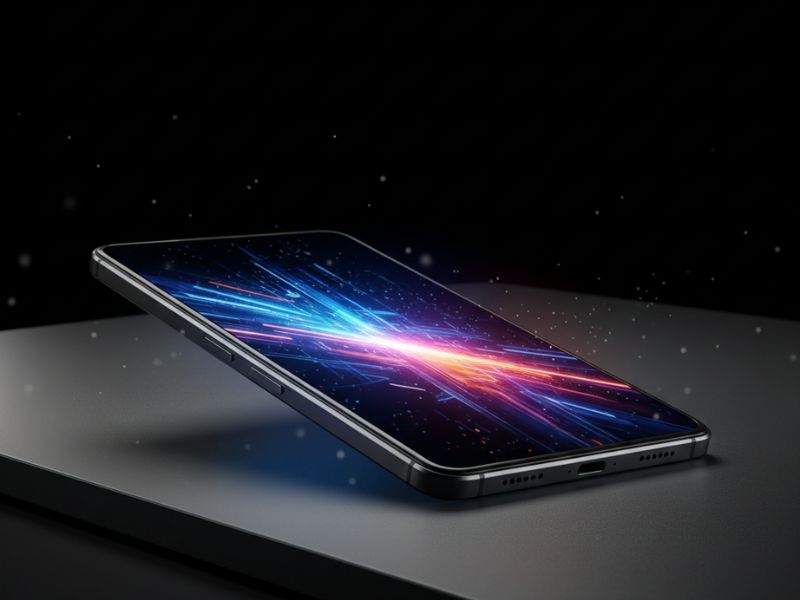
Foldable phones are devices that use flexible screen technology that allows the device’s screen and often the bodily functions to bend, fold, or roll without breaking. Unlike the previous generation of stiff smartphones, however, these devices feature high-end OLED or AMOLED panels covered with ultra-thin polymer glass or similar materials that can endure being folded and unfolded thousands of times over.
Rugged notebooks are typically found in two form factors.
The clamshell structure is similar to the old flip mobile phones, but is fully touchscreen. The Motorola Razr+ and Samsung Galaxy Z Flip series are a few examples.
A book-fold design (Fold) refers to devices that open up horizontally, as a typical book does. This makes these products appear, for all intents and purposes, an easy and comfortable mobile phone to hold/use. The Samsung Galaxy Z Fold and Google’s Pixel Fold series are examples of this device.
Either way, the screen of a folding smartphone must withstand many physical folds every day (multiple folds) without affecting the quality of images produced by the device and/or the touch functionality of the device.
Why Are Foldable Devices Gaining Popularity?
A foldable phone is not just an interesting gadget. These devices are becoming increasingly popular because they truly offer a versatile experience it’s one device, but serves as both an easy-to-carry phone and a mountainous productivity tablet. For instance, professionals on the go who need screen real estate or content creators looking for a wider canvas to edit photos and videos on, foldable and flexible devices fill an actual gap in the market.
Moreover, durability concerns have, for the most part, been resolved as manufacturers have advanced through a number of generations. Better hinge mechanisms, stronger cover glass, and water resistance ratings (some models are now IPX8 certified) have made foldable phones much more practical than earlier editions.
If you are also interested in how display technology is evolving across all devices, check out our detailed breakdown of next-generation screen technologies on XpertGuider.
Key Technologies Behind Flexible Display Phones
Understanding why flexible display phones are more expensive than their traditional counterparts requires knowing what makes them unique. Flexible display phones use many advanced technologies in unison:
Ultra-Thin Glass (UTG): Courtesy Corning and first utilized by Samsung, UTG makes the folding display feel “glass” while also being bendy. It’s much thinner than ordinary smartphone glass.
Polymer Film Layers: These additions protect the flexible OLED Panel by using a polymer layer that absorbs the shock of your Foldable experience in every fold while working seamlessly together to maintain a perfectly crisp, clear display as you attempt to fold over again.
Advanced Hinge Technology: The hinge is perhaps the most important piece of any foldable phone. Brands such as Samsung use a “Flex Hinge” or “Armor Hinge” system , which spreads tension out evenly over the fold point. Motorola employs a different approach with its teardrop hinge design to minimize the noticeable crease.
Flexible OLED Panels: The flexible shape is the base for every foldable device, which can be folded and bent several times. Plastic is used as the substrate instead of stiff glass, which helps achieve the folding property.
Top Foldable and Flexible Smartphones to Consider in 2026
The foldable phone market is exploding as various companies vie to win over buyers looking for something more unique. Here’s a look at some of the most exciting options available today:
- Samsung Galaxy Z Fold 6: The best example of a foldable phone that resembles a book in appearance; features an inner display size of 7.6 inches; has a Snapdragon 8 Gen 3 processor; and improved S Pen support. No matter how you spin it, Samsung is at the top of its game with a diverse range of products and an extensive software and hardware ecosystem with which to pair them.
- Samsung Galaxy Z Flip 6: This smartphone features a “clamshell” form factor that allows users to fold it in half and fit it in their smaller pocket. Users will be pleased to find an upgraded user experience and increased cover display size plus longer battery life, while experiencing the same high-performance Snapdragon 8 Gen 3 processor as the Fold 6.
- Google Pixel 9 Pro Fold: The company’s first foldable would take the clean Pixel camera experience and guarantee Android updates to a book-style device. Cool While Open Wider view when open, better multitasking.
- Motorola Razr+ 2024: It’s come roaring back with its clamshell foldable, some of the largest external displays in its class, and a design so fashionable that many can’t resist buying one!
- OnePlus Open 2: The value equation in foldable phones continues to improve, and OnePlus has served up some compelling specs and a sleek form factor at what should be a somewhat more affordable price.
Advantages of Owning a Foldable Phone
The advantages of switching to foldables or flexible devices are significant.
Replying to an email while watching a YouTube clip, or comfortably watching an online video while browsing the internet, can be achieved with a large inner screen allowing two or three split-screen applications to be working simultaneously.
- Small Build: A Clamshell Foldable Phone Can Fold Down To Almost Half The Length Of A Standard Sized Smartphone.
- New Experience of Using A Larger Screen: Your Comet’s system will give you a greater than 7-inch experience than you would have on a mobile device.
- Standing at an Angle: Most foldable phones now come with a “Flex Mode”, which helps the device to stand at a particular angle. This makes it useful as a camera/phone stand, for example. You can easily video-call without a tripod.
Challenges and Considerations
For all the innovation, foldable and bendable smartphones do come with trade-offs. Price continues to be the biggest hurdle; most flagship foldables still cost between $900 and $1,800, which means they aren’t accessible for a lot of buyers. The fact that the fold point is still visible (though significantly less so on this new generation) could be a small annoyance to some users.
Battery life has also generally been a weak point, because squeezing a large battery into the svelte profile of a folding device requires careful engineering. There’s also the camera systems, which while getting better can still play second fiddle to the best non-foldable flagships due to space limitations on the interior of the hinge area.
The Future of Foldable and Flexible Devices
The future of foldable and flexible smartphones appears very promising. According to industry experts, the global foldable phone market is projected to grow with a compound annual growth rate of over 20 per cent till 2028, as prices fall and new entrants join in. Huawei, Xiaomi, Oppo, and other brands are investing a combined hundreds of millions of dollars in this area as they look to produce phones with rollable and tri-fold designs, which may yet change our perception of what a smartphone is.
So-called rollable phones devices whose screen can physically unfurl to produce a larger display when you want one are probably the most exciting next step. LG did it (before shutting down its mobile division), and working prototypes from Oppo have teased what this technology could look like in a consumer product.
Frequently Asked Questions (FAQs)
Q1 – Can a foldable phone be used every day?
Definitely, a foldable phone can be used on a daily basis, as some devices can withstand uses of over 200k folds, and also most of the models are waterproof. Foldable mobiles may be a little more high-maintenance than a regular smartphone.
Q2 – Can you see the crease of a flexible display when it is off?
The crease is visible to a degree depending on the lighting in which you are using it, & when it is off, the majority of individuals do not notice the crease during average use.
Q3 – Are foldable smartphone apps compatible?
Most Android apps are there, but there are some that have not been optimized for the larger screen size. Popular apps like YouTube and office apps support foldable layouts.
Q4 – Are foldable phones worth the high price?
If you multitask, consume media , or require a larger portable screen, they’re worth the price. For ordinary use, a typical flagship phone may offer better value.