
Nowadays, you can see that people are sharing their personal information and data on the Internet through different social media websites. Businesses and large enterprises run their systems online, and the government manages all this information. But have you thought about a weak point of these scenarios, which might create a high risk? Well, that’s why Cybersecurity becomes important in this modern era of connected and technology-driven.
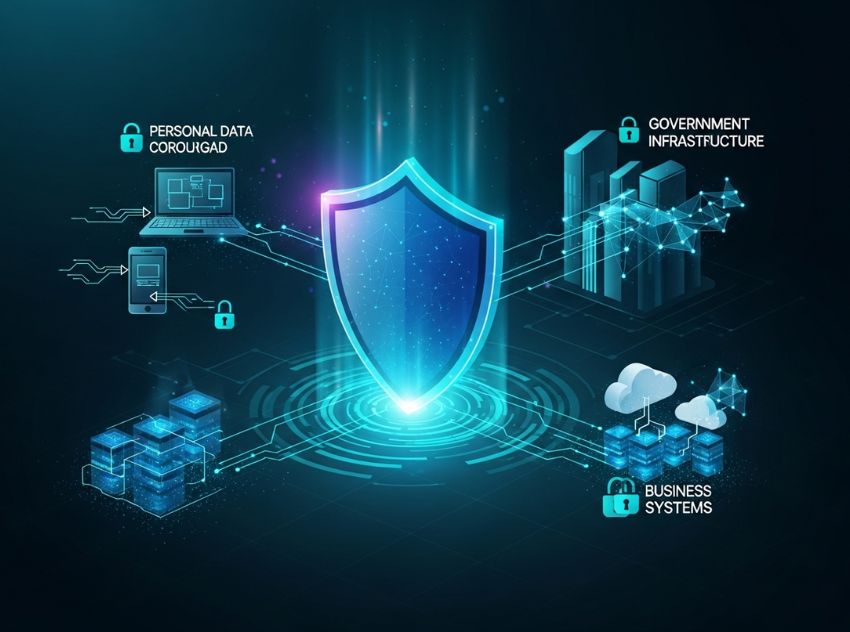
Simply, you can now understand Cybersecurity as the protection of systems, networks, and data from cyberattacks. As Cloud computing, IoT devices, and AI are emerging day by day, that’s why cyber threats are also increasing. The great cybersecurity provides people with its assistance by keeping their data safe. Protecting the sensitive data of businesses and helping governments in securing their critical infrastructure. That is why cybersecurity is not a choice; it becomes a necessity.
What is Cybersecurity and Why is it Important?
Cybersecurity secure systems and networks of this world from hackers, viruses, and data theft. So, that data can be safe and doesn’t be misused. Everything in this world becomes digital now, which is why Cybersecurity becomes important. We are using our personal data, bank details, emails, and passwords online and everything is stored on the backside of the internet. And that data might need to be protected.
If there’s no cybersecurity, then financial loss, business reputation damage, and legal problems created because of cyberattacks. The attack surface is increasing by the increases of cloud services, mobile apps, IoT devices, and remote work.

How Cybersecurity Works?
Now that we understand about cybersecurity in detail and why it is important, it’s time to know about how it works.
Cybersecurity works on three major things: people, processes, and technology. The purpose of people is to follow the security roles, use strong passwords that are hard to get, and understand the threats.
Processes means clear policies, regular checks, and planned security steps. Lastly, technologies tools like firewalls, antivirus, and monitoring systems that detect the cyber threat and block them.
Cybersecurity works as a pro-active and prevents attacks before, identifies unusual activity through detective measures, and controls the damage through responsive actions after attack. The monitoring and threat detection systems continuously check the networks. However, the incident response teams quickly manage the large issues.
The modern security systems use automation and intelligence, which identify the threats quickly and automatically respond back. And here the role of AI in Cybersecurity starts.
What are the Different Types of Cybersecurity?
Cybersecurity is not just a simple thing, it depends on different types which protects environment and systems. Every type has his own role which combines together and ensure the complete digital security. Let’s take a look at the types now:
| Network & Endpoint Security | Application & Cloud Security | Information & Identity Security | Critical Infrastructure Security |
| The role of this type is to protect the network security internet and internal networks from unauthorized access. | It secure the application security software and web applications from coding flaws and attacks. | The third form of cybersecurity is created to achieve security against leaking sensitive data and data/information access by unauthorized individuals. It ensures that systems and data can be accessed only by verified users. | It ensures the important services against attacks by hackers and system failures. |
Common types of CyberSecurity
Cyber threats have basically different forms and each threat has its own impact. Some are used to attack systems and damage them, some catch the data, and rest can disturb the services completely. That’s why we are gonna understand these cyber threats briefly.
Malware, Ransomware, and Phishing
Malware can totally damage the system and steal sensitive data. Plus, Ransomware locks the data and demands money from the user. However, phishing traps users with the help of links and fake emails.
Insider Threats & Credential Abuse
Insider threats happened when employees or trusted users created security risks by mistake or misuse. On the other hand, In Credential Abuse, the passwords and accounts were stolen to get unauthorized access.
DDoS, Cryptojacking, and AI-Based Attacks
DDoS attacks can overload and take down the websites and services through high traffic. Whereas, Cryptojacking uses resources of systems for cryptocurrency mining and AI-based attacks are automated and more powerful.
What are the Best Practices for Cybersecurity?
The first step for strong cybersecurity is to set a strong password and multi-factor authentication, which prevents unauthorized access normally. Plus, the regular software update and patch management will fix the weaknesses of systems. This process stops the entry point of attackers.
Moreover, employee awareness and training is also important because most of the attacks happen because of human mistakes. Along with it, the continuous monitoring and data backups can secure the systems and the data will be recovered after incidents. However, advanced automation helps organizations where Agentic AI automates the decisions of cybersecurity and detects threats as well.
Cybersecurity Challenges and Skills Gap
If we talk about the challenges of cybersecurity then the lackness of skilled professionals are on the top list. This is the reason why organizations are not protecting their data properly. The Modern IT environments are too complex where remote work, cloud computing, and multiple platforms are difficult to manage. This is why manual security processes are not working properly.
Moreover, the role of Generative AI in advanced threat modeling is also important because it can easily predict the new complex cyber threats and analyze them.
Conclusion
Cybersecurity is becoming more important for everyone, including individual users, businesses, large enterprises, and governments. The best way to get rid from cyber threats are proactive security measures and awareness. Moreover, if you want to know more about the latest trends and protection strategies, XpertGuider is here to provide you tech and business insights.
FAQS
What is a zero-day vulnerability in cybersecurity?
The zero-day vulnerability is a security flaw and the worst thing is that developers are not aware of it and they don’t know about the fix.
How does cybersecurity compliance help organizations?
Cybersecurity compliance can serve to make sure that organizations follow security standards and laws that can reduce the risks and prevent legal penalties.
What is the role of encryption in cybersecurity?
Encryption ensures the safety of data because it will be coded in unreadable form; such that sensitive information will not be compromised in case it is accessed or stolen by unauthorized users.