you’ve probably heard of blooket and are trying to figure out what this platform is actually about A teacher must have recommended it, or perhaps a student told you about it, or you just found it while searching for better ways to make learning less boring. The blooket dashboard is the place where everything happens, and understanding it properly is key to smooth sailing, whatever it is that brought you here!
Allow me to guide you through it in a way that makes sense.
What Is Blooket?
Blooket is an educational website where teachers run quiz games, and students play. Here we go! The detailed explanation is that it takes your average boring review session and turns it into something that feels like an actual game. Depending on the game mode, students answer questions, and they could be stealing gold from each other, catching fish, or defending a base. The questions are unaltered, yet the experience is fully different.
So What Is the Blooket Dashboard Anyway?
It is your primary display. It is easy to put it that way.
Once you access your account, all that you need is there right in front of you. Your question sets, your game history, your tokens, your stats, all of it in one place. You do not have to go hunting around for anything. The layout is clean and honestly pretty easy to figure out even if it is your first time on the site.
First Things First: Blooket Login and Your Account
For what you hope to accomplish, please log in. To log on to www.blooket.com and enter the website, click on the login button. Sign up if you are completely new here. It is free and takes maybe two minutes, no exaggeration.
Your blooket account is what ties everything together. The moment you have one, the dashboard starts working for you specifically. Your question sets will be saved, game history recorded, tokens stored, and progress remembered. Without an account, you’re basically a visitor with limited access to premium content.
One more thing worth knowing early on. Your account type matters. Free accounts give you plenty to work with, but the paid plan unlocks extra features that some people find really useful.
Read this guide to read more about blooket login
The Main Sections of the Dashboard
Home Tab
You will find the dashboard landing message here on the dashboard. Nothing really complicated here. The home tab displays recent activity and any new updates from Tinder, while also giving you a quick starting point. Most people consider the airport a pit stop when they need to go somewhere else after.
Discover Tab
This one is really helpful. Essentially, it is a huge repository of question sets that other users have created and made public. Thus if you require something on a specific topic and do not feel like building it yourself, just search for it here. Someone out there has likely already created what you need. It takes less time.
My Sets Tab
All your personal creations show up here. Feel free to edit, copy, or delete your sets, as per your convenience and need. The blooket dashboard remains organized so you do not scroll through a mess trying to find one specific thing.
Favorites Tab
When you see a set you want to use in the Discover section, it is possible to save it to your favorites. Simple as that. It builds up over time into a nice little personal collection of sets you actually want to come back to.
Hosting a Game From the Dashboard
This is honestly one of the main reasons people use the blooket dashboard as much as they do. Hosting a game is not complicated at all once you know where to look.
Choosing a Question Set
Pick a set from your own library or grab something you favor from Discover. Once you select it, the option to host appears right there. Click it and you move into the setup screen.
Picking a Game Mode
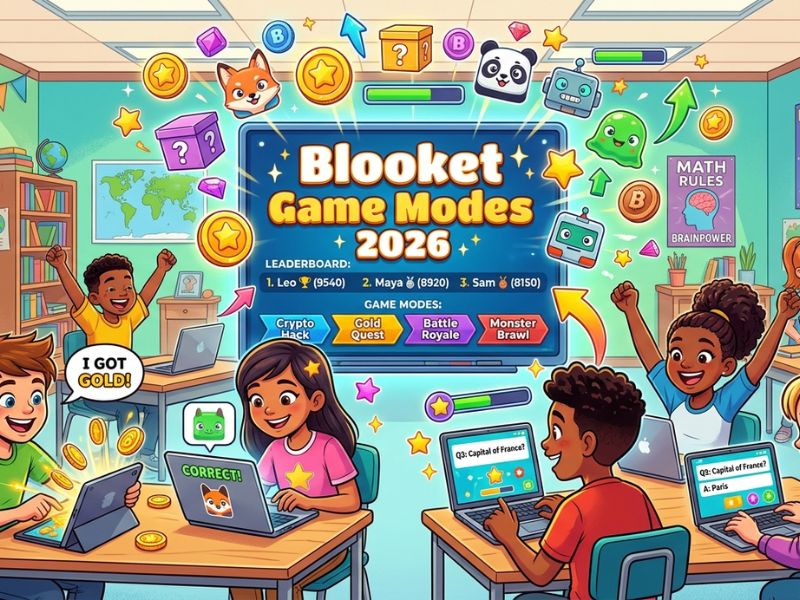
This is the part students always get excited about. There are multiple game modes available, things like Tower Defense, Gold Quest, Cafe, and a few others. Each one plays completely differently, which keeps things from getting repetitive. You choose based on whatever feels right for that session.
What Blooket Host Actually Looks Like
The moment you decide to blooket host a game, the platform creates a live session for you. You get a waiting room screen and you can watch students join in real time. No one will begin without your signal. You determine when events begin, which is advantageous since you will not be out of your depth in a game that gets underway without you.
The Blooket Code Thing
Every hosted game gets its own blooket code. It is a short number, usually just a few digits, and it is how people get into your game. You share it with your class, they type it in on the join page, and they land right in your lobby.
The blooket code is tied to that one specific session only. When the game is over, that code stops working. So old codes do not accidentally let people into future games. It is a small detail but it matters.
What the Game Looks Like for Students
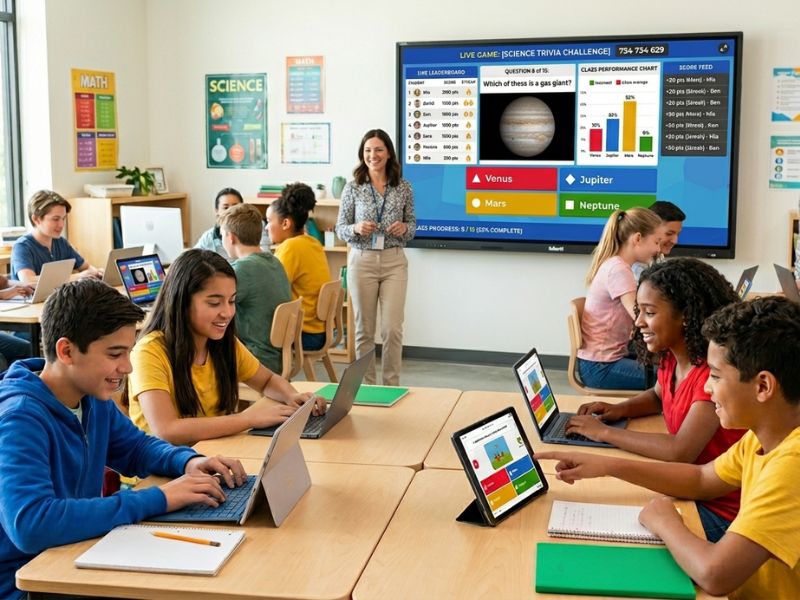
Students go to the play page, type in the code you gave them, pick a username, and they are in. The blooket play screen is simple enough that even younger kids figure it out without needing help. No complicated setup, no downloads, nothing like that.
Once the game starts, blooket play turns into a race. Students are answering questions and collecting rewards in whatever game mode you picked. The competitive part is what makes it stick. Kids are genuinely trying to win, and without realizing it, they are reviewing content the whole time.
The Data You Get After a Game
Here is something a lot of new users do not pay enough attention to. The blooket dashboard gives you a breakdown of how things went after each session. Which questions were the hardest? Who answered what correctly? How long did everything take?
For teachers, that information is actually gold. Instead of guessing what your students are struggling with, you have numbers telling you directly. It takes the guesswork out of planning your next lesson.
Tokens and Blooks
You will notice the token system pretty quickly as you begin to use blooket dashboard. As players play, they can earn various tokens which, once enough tokens are earned, can be used in the shop to unlock Blooks. Blooks are essentially the character avatars that the students use in their games.
Blooks do not affect scores or anything like that. But students go absolutely crazy trying to collect rare ones. It gives them a personal reason to keep playing, and more playing means more learning. Honestly, pretty clever when you think about it.
Is the Paid Plan Actually Worth It?
For someone who only uses Blooket occasionally, the free version is totally fine. The blooket dashboard on a free account still gives you everything you need to run a solid session.
But if you are a teacher using this platform multiple times a week, the Plus plan starts to make a lot of sense. Better analytics, early access to new game modes, no ads, and the ability to copy sets from other users. If the platform is part of your regular routine, that upgrade is probably going to pay off.
Small Habits That Go a Long Way
Name your question sets clearly from the beginning. It sounds obvious but you will thank yourself later when you have thirty sets saved and need to find a specific one fast.
Check the analytics right after a game ends, before you close the tab. Two minutes of looking at the data while it is fresh is worth a lot. Also browse the Discover tab every now and then because the community keeps adding new content and you might find something great that saves you serious prep time.
Conclusion
Look, the blooket dashboard is just a really well-put-together tool. It does not try to be overly fancy or complicated. You sign in and you see your stuff, you host a game, students join in, and everyone walks away with a valuable insight, and it was painless.
If you are someone who is trying to increase the interest of your lessons or a student who enjoys a good competition, this dashboard does exactly that! Take a little time clicking around and getting to know it. You will learn it much quicker than you think.
FAQs
Q: What is the blooket dashboard used for?
It is your main control center where you manage question sets, run games, and check your stats after sessions.
Q: Do I need a blooket account to use the platform?
You need one to host games and save your content. Students can join as guests using just a code.
Q: Where does the blooket code come from?
The platform generates it automatically the second a host starts a new session.
Q: Can students use blooket play on a phone?
Yes, it runs fine on mobile browsers without needing any app download.
Q: What does blooket host actually let you control?
When the game starts, who is in the lobby, and the overall flow of the session.