
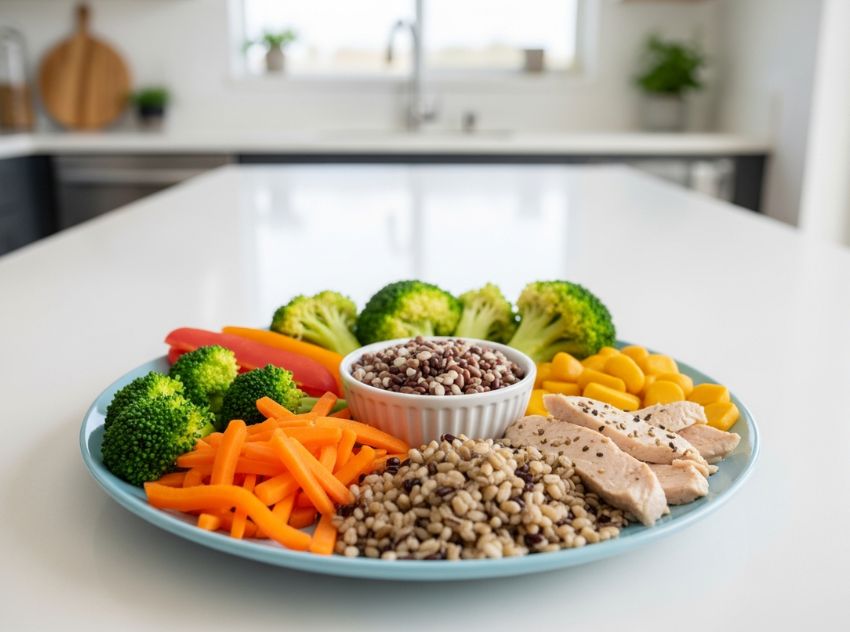
Healthy Eating and diets often sound like strict plans, consisting of rules, calorie counting, and foods that you are not allowed to enjoy. This thought irritates many people and causes them to quit even before they start. I have heard it too many times that people do not fail due to food, but are just impossible to work with when it comes to rules.
Having years of observation of the people who quit diets, I understood that it was not eating habits that were the problem, it was the pressure to eat perfectly. True healthy eating is not dictatorial, unrealistic and supported by science, not stress and anxiety.
Why Most Diets Fail (And What Healthy Eating Does Differently)
The majority of diets are unsuccessful due to their strict guidelines, leading to cravings and emotional eating. Recent research indicates that excessive calorie reduction interferes with hunger hormones and thus individuals end up overeating at the end of the day. Healthy eating is a different approach that focuses on whole meals including protein, fiber and whole foods. Studies at Harvard and the CDC demonstrate that flexed and regular eating patterns are less difficult to sustain, and result in higher health in the long run as compared to short-term dieting.
The SMART Healthy Eating Framework (No Calories, No Rules)
| SMART Step | Focus | Precise explanation | Examples | Why does it work in the long term |
| Switch to healthier food, don’t eliminate | No strict diet | This will provide nutrients without creating cravings. | Switch from white rice to brown rice and soda to flavored water. | Flexible and reduce the urge to binge. |
| Add 50% plant-based food. | Plant-based healthy eating | Add vegetables and fruits to your diet. | Half plate veggies/beans/fruits. | Increases fullness and nutrient intake |
| Add Protein & Fiber | Balanced meals | Protein and fiber slow digestion and stabilize blood sugar | Eggs + veggies, chicken + beans | Prevents overeating later in the day |
| Reduce Ultra-Processed Foods | Gradual reduction | Cutting back slowly avoids feeling deprived | Home-cooked meals are more often | Easier to sustain without stress Easier to sustain without stress |
| Tune Into Hunger & Fullness | Mindful eating | Listening to body signals instead of rules | Eating slowly, stopping when satisfied | Builds a healthy relationship with food |
Healthy Eating vs Dieting — A Clear Comparison
Strict dieting has very fast results and leads to burnout. Behavioral science research on this explains that when people feel in control when they eat, they are more likely to give up, eat more or experience guilt when around food.
Dieting restricts social life as well, such as missing meals, avoiding gatherings, or feeling uneasy when in a restaurant. It is more difficult to sustain and has an influence on the psychological state.
While healthy eating is a realistic approach and somewhat easy to follow. It is not restrictive but rather balance-oriented and therefore easier to adhere to in the long run. Harvard and CDC studies demonstrate that flexible eating habits promote consistent weight, improved cardiovascular health, and a positive mood.
How to Eat Healthy in Real Life (Busy, Budget, Social Events)
Even a busy schedule, a low budget or social events cannot hinder healthy eating. Studies indicate that easy recipes are time- and stress-saving and easy to make healthy. Preparing meals will allow beginners to remain consistent by eliminating decisions on a daily basis.
Eating out, a balanced plate policy facilitates nutrition, and research proves that a single meal will not spoil the results. In the case of budgets, fruits and vegetables retain the highest levels of nutrients, whereas beans, lentils and eggs are cheap sources of protein and fiber to obtain the fullness.

Plant-Based Recipes & Simple Meal Prep for Beginners
Following a diet that includes plant-based recipes is easy. Studies by nutrition review indicate that vegetables, whole grains, and plant protein meals are healthier and make a meal more fulfilling and energized. Low-carb bean-based lentil soups, veg-protein mixes such as bean with rice, tofu with vegetables can help sustain blood sugar and digestion.
Simple meal preparation is best to start with. The decreased number of choices makes choices more consistent. Cooking two proteins, two carbs and vegetables once a week will provide the possibility of mixing and matching meals with ease and provide time and money to eat healthy food without stress.
Common Myths About Healthy Eating and Diets
Myth 1: Healthy Eating Is Costly
Foods that have high nutritional values, such as beans, lentils, eggs, oats and frozen vegetables, are affordable. This is because healthy eating is a matter of choice and not cost.
Myth 2: You Have to Go Plant-Based All the Way
Science shows that you do not have to do away with animal foods. Plant and animal proteins can be taken in moderation, and good health is maintained through balanced eating.
Myth 3: A Bad Meal Spoils the Progress
The overall eating behaviors are more important than an individual meal. Results are determined by consistency over time, but not perfection.
FAQ’s
1: What is the difference between healthy eating and dieting?
Answer: Healthy eating is a lifestyle that is based on proper nutrition and well-being, whereas dieting is usually a plan that is restrictive and aimed at quickly losing weight, and causes the yo-yo effect.
2: Can I lose weight with healthy eating without strict dieting?
Answer: Yes, you can lose weight with healthy eating without strict dieting
3: Are plant-based diets essential for a healthy diet?
Answer: Yes, a plant-based diet will help your immune system, decrease inflammation, and maintain a healthy weight.
Conclusion
Healthy Eating and Diets do not involve being perfect, but making more healthy choices most of the time. Small and consistent habits cause permanent results, which are proven by research. Begin with something easy, such as including vegetables or protein in the meals. Such decisions accumulate over time. The optimal diet is the one that one is not pressured to adhere to, but can adopt throughout life.